The two scenes have different casts and rhythms
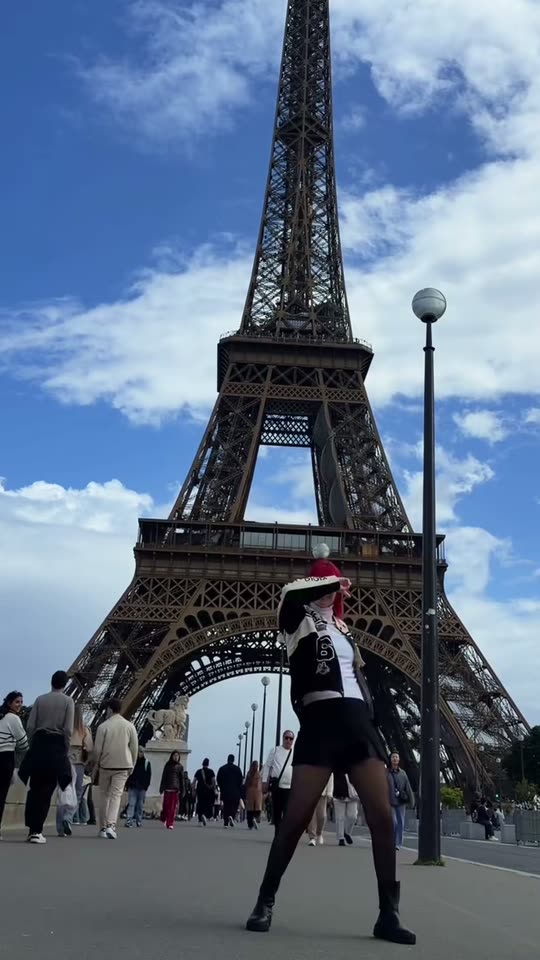
Solo centers on a sequence of recognizable full-body gestures: a hand near the forehead, bent-knee hip movement, crossed arms, side kicks and wider shoulder accents. The source photograph supplies the person, clothing and place as a starting point. The reference controls the dance idea rather than supplying a celebrity identity.
Lift is a ballroom fantasy for two uploaded people. It builds toward a catch and overhead pose, then returns the pair toward the floor. Its shorter 10-second story differs from the 13-second solo routine, and the soundtrack method differs as well. Choose by the scene and cast you actually want; the shared search name does not make the two options interchangeable.
Why the actor’s name can be misleading
An AI remake can attach a famous face to an existing routine, and later tutorials may retain that face’s name even after offering to replace it with yours. That is the naming history described by the reference set. It does not mean the Rasputin steps originated in Dirty Dancing or that the performer in your output is the actor.
Smew uses the name to help identify the searched format while supplying your own cast. If you want the solo dance, look for its motions rather than assuming every result under the actor’s name is the same scene. Do not upload a famous person’s photograph or describe your result as official footage, an endorsement or a rediscovered performance.
A fictional lift is not a physical instruction
The romance of a smooth overhead lift is easy to imagine and difficult to judge from a generated picture. AI can make a catch appear stable even when hands, weight and balance would not work in real life. The Lift option creates the visual fantasy without requiring either person to practice or film it.
Use that distinction when sharing. Describe the result as a playful AI dance scene rather than a tutorial or proof of a successful rehearsal. Do not imitate a generated landing because it looks effortless. If you intend to learn a real partner lift, appropriate instruction and physical preparation are separate from this template; the video does not assess either person’s readiness or safety.
When feet, faces or lift roles go wrong
For Solo, cropped legs and little space around the body can make broad movement look cramped. Choose a standing source with a readable face and full outline. Inspect fast arm and foot gestures after generation rather than accepting only a good opening frame.
For Lift, check which identity is being raised before evaluating the style of the scene. The slot order establishes the intended roles. Clear individual photographs help reduce confusion when the bodies overlap, but faces and hands can still vary during motion. Review the catch, overhead pose and landing as a fictional sequence; a visually odd result is not something to explain away as a real dance technique.