Kung Fu Cat: Your pet takes a paper-tissue showdown far too seriously.

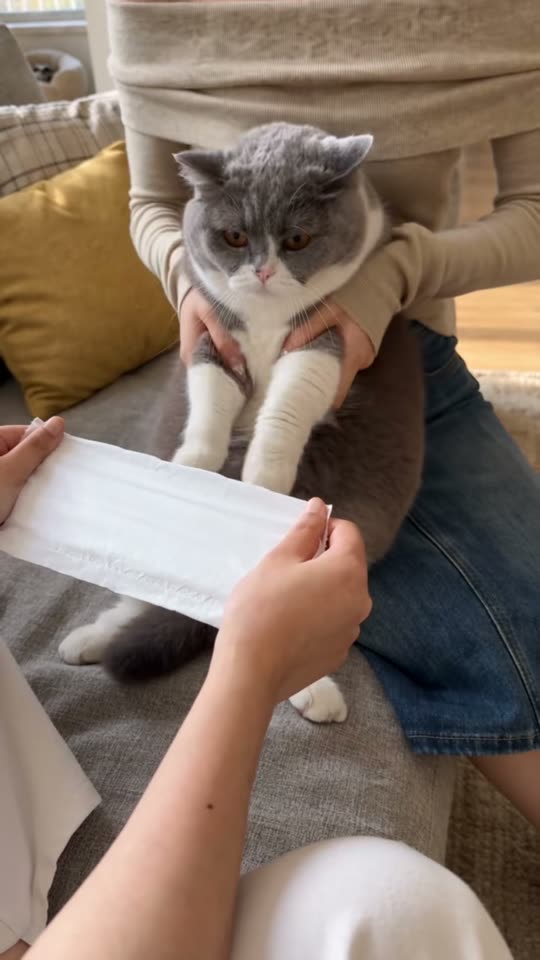
Put your cat or dog into the tissue-chopping gag: the pet sits upright with its owner, studies the target and swings a paw at the paper.

The original Kung Fu Cat reel by @cissycat7Original reel
  • 1 photo depending on version
  • 9 seconds
  • Price shown before generating

No prompt to write: Add your photo and tap once

Create your own

Ready in a few minutes · From 137 credits

A pet sits perfectly upright, holds a solemn guard pose and appears to split a tissue with a martial-arts strike. The contrast is the whole joke: a soft household animal becomes an unexpectedly serious action hero. The Kung Fu Cat format borrows the rhythm of pet tissue-chopping videos and turns a single photograph into an AI performance.

Smew has Cat and Dog versions, each built around a different domestic scene. Both take one pet photo and produce a 9-second vertical clip. You do not need to train your animal, move its paws or film a stunt. The reference examples show the format; your own generation follows the selected scene with the appearance supplied by your photo.

Example

Preview the Kung Fu Cat format

Visual references explain the format. Generated details and timing can vary.

Cat visual reference
A format reference, not a Smew customer result.
Use this reference
Dog visual reference
A format reference, not a Smew customer result.
Use this reference
Step by step

Make your Kung Fu Cat video

Choose a version, add the required photos and check the displayed credits before generating.

  1. Choose Cat or Dog

    Pick the setting you prefer before uploading. Cat uses the lap-and-sofa style of the tissue challenge; Dog follows the seated living-room interpretation. Add a single clear photo showing your pet's entire body and coat.

  2. Review the recipe and credits

    Both choices currently use Seedance 2.5 for 9 seconds of 720p, vertical 9:16 video, at 137 credits. The movements and scene instructions are already part of the template, so there is no prompt to write or tissue-chopping footage to supply.

  3. Watch both strikes in the result

    After starting, follow the task from Dashboard. The soundtrack is added before the finished video is saved. Open it in Library and check the pet's face, paws, tissue contact and calm pauses before you download or share.

Choose a photo that keeps the subject recognizable

Choose one cat or dog with its ears, paws and tail comfortably inside the frame. A sitting or standing animal photographed near eye level gives useful proportions. Keep the eyes open and face turned toward the camera; bright, indirect light usually makes coat colors easier to read than a dim room or harsh flash.

Avoid a second animal, a hand across the face, a bulky blanket or a toy covering the front legs. These are not props you need to bring into the generated scene. The owner-like hands, tissue and room come from the chosen recipe. A clear photograph of a black-and-white coat, tabby stripes or a distinctive muzzle is especially useful for retaining the familiar pet.

Use your own photograph or the owner's permission. There is no need to hold the animal upright to imitate the video. A relaxed photo is enough: the kung-fu poses are an artificial performance, not a pet-handling recommendation.

Where the format comes from

Dog tissue-chopping posts predate the cat variation seen in October 2026. Summer examples show dogs seated in a room, often with a headband, bringing a paw down toward a narrow strip of paper. The cat interpretation adds a lap-held guard pose, quick blocks, a high kick and a very serious expression between strikes.

The linked posts from @lynn59716 and other cat accounts provide examples of that style. Later AI-labeled versions turn it into a photograph-to-video joke for people whose pets would never cooperate with the live setup. There is no need to identify one definitive inventor to understand the format: compare the paper prop, upright pose and deliberate pause after the chop. The soundtrack commonly associated with these edits is Kung Fu Fighting. Its familiarity supports the joke, but does not make the generated animal a real trained performer.

  1. A golden-retriever example shows the older paper-chopping dog setup. Dog reference

  2. Another dog post illustrates the same household challenge. Summer example

  3. An orange cat in a lap performs the tissue-chop sequence. Cat reference

  4. A fluffy-cat variation keeps the martial-arts pose and paper prop. Cat variation

  5. A ragdoll version shows the recognizable format with a different cat. Ragdoll example

  6. An AI-labeled pet version demonstrates the move from filmed challenge to generated interpretation. AI example

Copy and paste

The recipe behind the result

The template applies its configured instructions. No prompt writing is required for this flow.

Cat

1 photo: your pet, whole body in viewSeedance 2.59 s · 720p · 9:16137 credits
Video prompt

Render a photorealistic 9:16 sequence using [Video 1] as the visual guide. The complete cat performer is replaced by the pet in [Image 1], including body, tail, muzzle and every visible paw. Follow the reference camera, scene continuity, relative action timing and cuts unless the scene instructions below explicitly change the setting. Follow the home shot with the pet held upright on the owner’s lap near the sofa cushions and patterned blanket. Keep the owner’s hands and the white tissue target in their reference positions. Transfer the animal’s concentrated stare, paw wind-up and rapid tissue strike with the same pauses and reaction beats. Let the paper tear and move at the corresponding moment. The owner remains a separate background role; do not replace their face, clothing or hands with the pet identity. Preserve the original handheld camera and room light. Preserve the uploaded animals as whole animals: their species, muzzle, ears, coat pattern, size and tail must remain recognizable. Front limbs end in furry paws, never human fingers; keep one head and four limbs per animal, even when the acting is upright. Change only the assigned performers, leaving other roles and props coherent. The soundtrack is handled separately: match visible mouth shapes and rhythmic gestures to the reference performance without generating a recording, sung words or dialogue from it. Add no unrelated people, extra body parts, captions, signatures or watermarks.

1469 characters

Dog

1 photo: your pet, whole body in viewSeedance 2.59 s · 720p · 9:16137 credits
Video prompt

Render a photorealistic 9:16 sequence using [Video 1] as the visual guide. Replace the complete animal performer with the dog in [Image 1], not just the reference animal’s head. Follow the reference camera, scene continuity, relative action timing and cuts unless the scene instructions below explicitly change the setting. Follow the home shot with the pet held upright on the owner’s lap near the sofa cushions and patterned blanket. Keep the owner’s hands and the white tissue target in their reference positions. Transfer the animal’s concentrated stare, paw wind-up and rapid tissue strike with the same pauses and reaction beats. Let the paper tear and move at the corresponding moment. The owner remains a separate background role; do not replace their face, clothing or hands with the pet identity. Preserve the original handheld camera and room light. Preserve the uploaded animals as whole animals: their species, muzzle, ears, coat pattern, size and tail must remain recognizable. Front limbs end in furry paws, never human fingers; keep one head and four limbs per animal, even when the acting is upright. Change only the assigned performers, leaving other roles and props coherent. The soundtrack is handled separately: match visible mouth shapes and rhythmic gestures to the reference performance without generating a recording, sung words or dialogue from it. Add no unrelated people, extra body parts, captions, signatures or watermarks.

1456 characters

Models, duration and credit cost

You pay in credits. The Generate button shows this price before you spend anything. These are the options on this page.

OptionModelWhat you getCredits
CatSeedance 2.59 s · 720p · 9:16137
DogSeedance 2.59 s · 720p · 9:16137

One-time packs and plans are on the pricing page. A failed video gives its credits back.

The two chops and the pause between them

In the Cat scene, the pet is held upright near the camera, with its front paws arranged as if guarding against an opponent. Small, rapid blocks establish the martial-arts idea before the first tissue enters. A lifted hind paw and downward front-paw motion create the first punchline: the paper appears to split, while the pet retains an improbably composed expression.

The stillness after that strike matters as much as the movement. A fresh tissue brings back the anticipation, another flurry leads into the second chop, and the clip finishes on the animal's stare. The 9-second format is designed to contain both action beats, rather than stretch one paw movement over a long video.

AI can shift the precise point of contact, so judge the sequence as a new take of the gag. The pet should remain recognizable while the tissue, hands and paws interact. You are not watching proof of an animal's real physical ability, and posting context should make the generated nature clear.

Which scene suits your pet?

Cat and Dog describe reference styles, not a requirement that every animal match the original performer's breed. The Cat scene has a close lap-and-sofa composition and animated front-paw blocking. It tends to suit the visual idea of a compact pet being held like a tiny martial-arts master. The Dog scene follows the room-and-rug setup, with a seated animal and paper held in front for the chop.

Both current choices accept one pet image and share the same duration, output shape and model. Pick the scene for the joke you want, then use the clearest available photograph. Do not submit a picture of two pets expecting the model to assign separate fighters; the cast has one identifiable subject.

A different scene can change how the animal's proportions read. A very large dog in a close lap pose may look more exaggerated than a small cat in the seated setup. Review the references as composition guides, while remembering that neither promises an exact frame-for-frame result for every breed.

How the template builds a new pet performance

The input photo supplies identity cues such as face shape, ear silhouette and coat pattern. The selected recipe supplies the household setting, supporting hands, paper prop and sequence of strikes. Seedance 2.5 generates the picture; the configured soundtrack is handled separately and joined to the completed video before it is saved.

This is different from applying a live face filter to a recording you made. You do not need a camera take of the animal doing anything, and you do not manually cut two tissue chops together. The result is a new 9-second, 720p MP4 in a vertical 9:16 frame, with the credit total visible before submission. Each current choice costs 137 credits.

Generation time depends on processing and demand rather than a fixed countdown. Dashboard lets you track accepted work while you browse elsewhere. Library holds the finished file, including its soundtrack, so the saved result is ready for review without an extra editing step on your part.

What to inspect when the action looks wrong

Rapid paws crossing paper and human-like supporting hands are demanding details. An extra toe, a doubled front leg or a tissue that tears before contact can weaken the joke. Watch both strikes, including the transition back into the guard pose, rather than judging only a clean opening frame. A still screenshot can conceal a motion artifact.

The original reference animal's appearance can also influence a take. If your pet gains orange stripes, a longer coat or a different muzzle, choose a photo in which its own colors and face are especially clear. Bright light and a single unobstructed subject help the model distinguish the animal from the background.

A clearer upload can improve the information available for another attempt, but it does not guarantee a particular correction. Do not repeatedly submit a dark or crowded photograph expecting a prompt-free template to identify the right pet by itself. There is no need to recreate the real paper challenge as a workaround; the image should remain an ordinary, comfortable portrait of the animal.

Sound, captions and sharing the joke

Kung Fu Fighting is the song most closely associated with the reference format. Smew's current Cat and Dog recipes use the configured reference soundtrack after picture generation. That explains why the paper movements and musical energy can feel connected even though the model is not being asked to invent a new song.

Treat music rights separately from template access. A generated MP4 with embedded audio is not a grant to use the recording in an advertisement or every commercial account. Check the destination platform's licensing rules and any authorized sound option available there. Avoid copying lyrics into a caption when a simple description communicates the joke.

You might introduce your pet as the household's newly appointed martial-arts instructor, or ask whether the cat or dog version has the better deadpan finish. Keep AI labeling visible so viewers do not mistake the impossible movement for real training footage. Descriptive tags can help identify the format, but changing hashtag counts are not a promise of reach.

FAQ

Kung Fu Cat questions

What is the kung fu cat trend?

The recurring scene shows an upright cat appearing to block, kick and chop a paper tissue, with a solemn pause after the action. Real pet-challenge videos and AI interpretations both circulate under the name. This page creates the generated version from your pet's photograph, using the household scene and sequence of the selected recipe.

Who posted the original kung fu cat video?

A widely referenced example is @lynn59716's October 19, 2026 post, linked in the background timeline. It shows a cat in an owner's lap and two tissue-chop beats. Other cat and earlier dog examples provide context too. We credit those examples without claiming that a single linked post proves who invented every version of the challenge.

Is the kung fu cat real or AI?

Some challenge clips are filmed with pets and people arranging the setup; others are explicitly generated. Smew's result is AI-made from a still photo. It does not show your pet performing a real trained action. Keep that distinction when sharing, and do not force an animal into the reference pose to prepare an upload.

How do I make a kung fu cat AI video of my own cat?

Choose Cat or Dog, add one sharp full-body pet photograph and check the displayed credits. The template supplies the scene and movement instructions. Start generation, follow it on Dashboard and review the finished 9-second video in Library. You do not need footage of a tissue challenge or an animal trained to respond to a cue.

Do I need a kung fu cat AI prompt?

No. The saved recipe already describes the chosen scene and the identity the uploaded photo should supply. The prompt section explains that setup; it is not an extra form you must fill in. Your most useful input is a clear image of one pet, with its coat, face and paws visible.

Does it work with a dog, or is there a kung fu dog version?

Yes, the Dog choice is part of this template, and the Cat choice provides the alternative lap-style composition. Each takes one pet image and uses the same 9-second output settings. Pick the reference style you prefer; it is the scene and pose that change, rather than a claim that only one breed can participate.

Will a real person's face show in my video?

The intended composition uses supporting hands and arms around the animal rather than casting an uploaded human face. There is no owner photo slot. The pet is the identity you supply. Generated framing and background details can vary, so review the result rather than treating a crop in a reference as a guarantee about every output frame.

What is the kung fu cat song, and is the sound on my video?

The reference trend uses Kung Fu Fighting. The current recipes add their configured reference soundtrack after the picture is generated, then save the final file with sound. Music inclusion does not transfer ownership or advertising rights. Check where and how you plan to publish, particularly when posting for a business.

How long is the kung fu cat video?

Both versions are 9 seconds, vertical 9:16 and 720p. They are intended to carry the short guard-and-two-chops sequence rather than a longer martial-arts scene. The finished file can be previewed and downloaded from Library. Exact paw motion, expression and paper timing can differ between generated takes.

Does the kung fu cat video cost credits?

Yes. Cat and Dog currently cost 137 credits per generation, with the selected cost shown before you submit. The table on this page reflects the catalog rather than a subscription price. Review the choice on Create first. Processing time varies, so a longer wait by itself does not mean you should submit the same task again.

What else is the kung fu cat called?

Searches may call it Kung Fu Kitty, Cat Shifu, the tissue-chop cat or the Kung Fu Fighting cat meme. Those labels usually point to the same serious-pet-and-paper joke. They should not be confused with games or toys that happen to use a similar name. Compare the reference scene to see which effect a page offers.

Who wins: the kung fu cat vs dog?

You can make separate takes with either recipe and compare their expressions and timing. The dog-style seated chop and cat-style high-kick sequence offer different versions of the same joke. One generation contains one supplied pet, so a side-by-side contest is something you assemble from separate finished results rather than a two-animal fight mode.

Try Kung Fu Cat with your photos

Choose your version, review its output and credits, then start your own take.

No watermark. A failed video gives its credits back. Secure checkout by Stripe.