Laughing Fairy: A tiny woodland conversation that ends in a fit of laughter.

Become a miniature forest fairy, or add a friend for the whisper-and-giggle scene. A prepared fairy image establishes the characters before the video stage animates the exchange.

The original Laughing Fairy AI reel by @fae.eyesOriginal reel
  • 1–2 photos depending on version
  • 8 seconds
  • Price shown before generating

No prompt to write: Add your photos and tap once

Create your own

Ready in a few minutes · From 46 credits

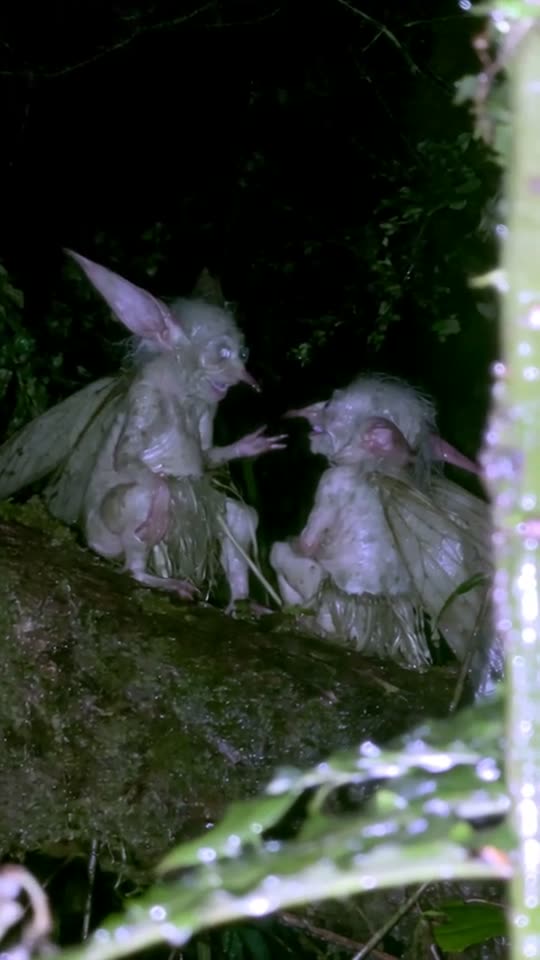
The laughing fairy meme looks like a strange discovery made with a phone flash: two tiny winged figures sit among wet leaves, one whispers, and the other reacts before both dissolve into giggles. Their wrinkled faces and exaggerated ears make the scene deliberately odd rather than a polished storybook portrait. The secret is never explained, which lets viewers supply the joke in a caption.

Smew turns a clear portrait into one of those miniature characters. You gives you a fairy companion; Best friends uses two uploaded identities. The scene is prepared as an image and then animated into an eight-second vertical video. The whispering and laughter are generated with the clip, so you are not ordering an exact copy of the original fairies’ babble.

Also called Prilili, whispering fairies, fairy gossip meme

Example

See the Laughing Fairy AI reference

Credited examples explain the trend’s staging. They are visual references, not Smew customer results; your generated details and movement can differ.

Trend reference

A reference for the scene and timing by @fae.eyes. This sample is not a Smew customer generation. Compare the framing and sequence rather than expecting a frame-for-frame duplicate. View the credited creator’s post.

Use this reference
Step by step

How to make your Laughing Fairy AI version

Start with the right version and clear photos; the template provides the scene instructions.

  1. Choose the scene and cast

    Open Create and choose the version that matches the result you want. Check the photo-slot labels before uploading: one identity belongs in each slot. A reference sample shows the idea; the choices on Create define which people or pets Smew can actually place in that scene.

  2. Add photos and review the output

    Upload the requested photos, wait for processing and confirm that the preview shows the correct subject. Compare the selected output, model and credit total. You do not need to record the action or paste a prompt: the template supplies the setting and movement. Submit only when those details match your choice.

  3. Follow the task, then review the finished file

    After submission, follow the task on Dashboard while it generates; you can browse templates and see your other tasks there. Once it finishes, open the saved result in Library and inspect the whole clip before downloading. The generated interpretation can vary, especially during fast turns, occlusion and close contact.

Which photo gives this template a fair start?

A clear adult face is the useful input; you do not need wings, makeup or a forest background. Choose a front-facing portrait in even light, with eyes and cheeks unobstructed and enough detail around the mouth. The finished character is tiny and then laughs, so a distant or heavily filtered face gives the model very little to preserve.

For Best friends, use two individual photos. Photo 1 becomes the listener on the left; photo 2 becomes the whisperer on the right. Keep one face in each picture, and use adults who agreed to appear. The image-preparation stage makes the miniature scene before animation, so allow it to finish rather than mistaking a still preview for the final video. A pet-specific version is not offered for this template.

The background of Laughing Fairy AI

The credited posts come from @fae.eyes, also known as Fae Nest. The account presents AI forest creatures with the visual grammar of found footage: darkness, a harsh flash, leaves close to the lens and small bodies perched on a branch. Later clips focus on whispering, gossip and a shared laugh.

Fans use Prilili as a character name and a way of writing the sounds they hear. That does not make the babble a language with a reliable translation. The reference history includes the creator’s own posts and later reposts, without assuming that view counts prove who invented a broad fairy idea. Smew’s output is a new generated scene using your face, not a copy of a real creature encounter or a contribution to the creator’s fictional storyline.

  1. @fae.eyes introduces a flash-lit woodland fairy scene that establishes the found-footage visual language. TikTok

  2. A branch-side conversation moves the format toward two-character gossip and reactions. TikTok

  3. Another post centers the sequence of whisper, surprise and shared laughter used to explain this meme. TikTok

  4. The creator also shows a fan-photo fairy interpretation, connecting the scene with personalized identities. TikTok

  5. Prilili becomes part of the account’s character naming and the audience’s description of the babble. TikTok

  6. Reposts carry the fairy scene to other audiences; this reference does not establish a unique origin or a popularity ranking. TikTok

Copy and paste

The scene instructions are already included

The built-in recipe sets the setting, roles and sequence. Your photos provide the subjects; you can read the recipe below without needing to paste or rewrite it.

You

1 photo: you, face clearKling 3.08 s · 1080p · 9:1646 credits
1. Prepare the image · Nano Banana 2.1

Produce one 9:16 image. The left fairy uses the identity in [Image 1]; create a different elderly-looking, pale fairy on the right with fine white hair. Base the personal likeness on the supplied photographs: retain face shape, complexion, age cues, eyes, hair and distinguishing details while applying the specified treatment. Do not substitute a recognizable public figure or invent a different identity. Make a grainy close photograph lit by a direct phone flash in a dark wet forest. Exactly two palm-sized adult fairy creatures sit on a moss-covered fallen branch, surrounded by tiny mushrooms, damp leaves and deep shadow. Add long pointed ears, delicate translucent insect-like wings and simple moss-and-leaf tunics. Their physical scale must remain tiny relative to leaves. Pose the right fairy leaning toward the left ear, ready to whisper, while both faces remain visible. Any pet identity keeps its own muzzle, coat and furry paws rather than a human face or bare human hands. The mood is mischievous and odd, not violent. Keep the composition readable, with correct separation between subjects, consistent lighting and plausible anatomy. Preserve intentional stylization without accidental duplicated faces, disconnected hands or merged bodies. If an input is an animal, preserve its own species, facial features and fur instead of adding human facial skin. No additional captions, labels, logos, signatures, watermark or interface elements.

This image is prepared automatically before the video step. Both steps are included in the displayed credit cost.

2. Animate the prepared image

Animate only the completed scene image supplied to this stage. Treat its characters, identities, costume, scale, layout, light and rendering style as the established first frame; do not rebuild the portrait or repeat the image-creation stage. Keep its framing and the subject count unless a camera move is described below. For the first second, ease the camera forward past wet foreground leaves. During seconds one to four, the right fairy cups a hand or paw and whispers toward the left ear. The left fairy’s eyes widen in surprise and its mouth opens in a gasp. For the remaining four seconds, both break into wheezing giggles, rock on the branch, cover their mouths, kick their tiny feet and exchange glances with the lens; one nearly loses balance without falling out of the scene. Preserve the flash-lit faces, branch and small scale. Use forest insects, soft nighttime ambience, invented high-pitched nonverbal whispering and giggles. No real-language words, singing or music. Keep faces and distinguishing marks consistent through expression changes. Prevent body merging, sliding contact points, extra limbs and abrupt changes of style or location. Any animal keeps its own furry anatomy and paws. The ending should settle into a coherent pose within the configured clip length. Do not add written titles, subtitles, brand marks, signatures or watermarks.

1367 characters

Best friends

2 photos: you, face clear + your friend, face clearKling 3.08 s · 1080p · 9:1646 credits
1. Prepare the image · Nano Banana 2.1

Produce one 9:16 image. The left fairy takes [Image 1] and the right fairy takes [Image 2]. Preserve their separate facial and hair details without blending or exchanging positions. Base the personal likeness on the supplied photographs: retain face shape, complexion, age cues, eyes, hair and distinguishing details while applying the specified treatment. Do not substitute a recognizable public figure or invent a different identity. Make a grainy close photograph lit by a direct phone flash in a dark wet forest. Exactly two palm-sized adult fairy creatures sit on a moss-covered fallen branch, surrounded by tiny mushrooms, damp leaves and deep shadow. Add long pointed ears, delicate translucent insect-like wings and simple moss-and-leaf tunics. Their physical scale must remain tiny relative to leaves. Pose the right fairy leaning toward the left ear, ready to whisper, while both faces remain visible. Any pet identity keeps its own muzzle, coat and furry paws rather than a human face or bare human hands. The mood is mischievous and odd, not violent. Keep the composition readable, with correct separation between subjects, consistent lighting and plausible anatomy. Preserve intentional stylization without accidental duplicated faces, disconnected hands or merged bodies. If an input is an animal, preserve its own species, facial features and fur instead of adding human facial skin. No additional captions, labels, logos, signatures, watermark or interface elements.

This image is prepared automatically before the video step. Both steps are included in the displayed credit cost.

2. Animate the prepared image

Animate only the completed scene image supplied to this stage. Treat its characters, identities, costume, scale, layout, light and rendering style as the established first frame; do not rebuild the portrait or repeat the image-creation stage. Keep its framing and the subject count unless a camera move is described below. For the first second, ease the camera forward past wet foreground leaves. During seconds one to four, the right fairy cups a hand or paw and whispers toward the left ear. The left fairy’s eyes widen in surprise and its mouth opens in a gasp. For the remaining four seconds, both break into wheezing giggles, rock on the branch, cover their mouths, kick their tiny feet and exchange glances with the lens; one nearly loses balance without falling out of the scene. Preserve the flash-lit faces, branch and small scale. Use forest insects, soft nighttime ambience, invented high-pitched nonverbal whispering and giggles. No real-language words, singing or music. Keep faces and distinguishing marks consistent through expression changes. Prevent body merging, sliding contact points, extra limbs and abrupt changes of style or location. Any animal keeps its own furry anatomy and paws. The ending should settle into a coherent pose within the configured clip length. Do not add written titles, subtitles, brand marks, signatures or watermarks.

1367 characters

Current Smew choices and credit prices

You pay in credits. The Generate button shows this price before you spend anything. These are the options on this page.

OptionModelWhat you getCredits
You: StandardKling 3.08 s · 1080p · 9:1646
You: BestSeedance 2.58 s · 1080p · 9:16103
Best friends: StandardKling 3.08 s · 1080p · 9:1646
Best friends: BestSeedance 2.58 s · 1080p · 9:16103

One-time packs and plans are on the pricing page. A failed video gives its credits back.

From a forest glimpse to a shared laugh

The scene first reveals a mossy perch through damp leaves. The two fairies are small relative to the branch, with translucent wings, narrow limbs and improvised woodland clothing. One cups a hand near the other’s ear; the listener reacts with surprise, then both laugh. A slight handheld feel and a bright flash against the dark background sell the found-footage idea.

The joke needs the pause before the laughter. A clip that begins already laughing loses the sense of a secret being passed. When reviewing your result, look at the miniature scale, the identities in the intended roles and the shift from whisper to reaction. The sound is new generated babble and giggling, so its precise syllables and timing can change between takes.

One fairy identity or two, with two model choices

You needs one portrait and pairs that identity with a generated fairy companion. Best friends replaces both main characters using two portraits. Pick the second version because you want the listener and whisperer to be recognizable friends, not because it changes the duration or adds a second scene.

Both casts offer Standard and Best. In the current Smew catalog, both outputs are 1080p and eight seconds; the distinction is the model and credit price. An older guide describing Best as 720p is not the setting used here. Image preparation establishes the fairy composition before video generation, so the animation is based on that miniature scene rather than a live face filter.

The current Smew options are listed below. The photo count belongs to the selected version: an extra person in a single upload is not a substitute for an additional photo slot. The model name describes how the output is made; it does not promise identical faces or motion on every run. Review the selected option and credit total on Create before submitting.

ChoicePhotosModelOutputCredits
You · Standard1Kling 3.08 seconds, 9:16, 1080p46
You · Best1Seedance 2.58 seconds, 9:16, 1080p103
Best friends · Standard2Kling 3.08 seconds, 9:16, 1080p46
Best friends · Best2Seedance 2.58 seconds, 9:16, 1080p103

Sound: these choices produce sound generated with the scene, rather than a promised copy of a social-platform recording. Sound heard in a credited reference is not automatically included in every Smew option. If you add platform music later, choose it from that platform’s available library and check the intended use; generating a video does not transfer music rights.

When the fairies stop looking miniature or familiar

If the result looks like full-size people with wings, check the branch and leaf proportions as well as the body. The tiny scale is part of the intended visual joke. If a face drifts during the laugh, start with a sharper input where the mouth and eyes are not hidden. For Best friends, confirm that each upload contains one face and is assigned to the intended side.

Wings and narrow fingers can distort during fast movement, and a wide laughing mouth can change the perceived likeness. Review the full sequence rather than choosing only the most flattering still. A different model choice may interpret the scene differently, but it is not a guarantee of an exact face or a particular whisper sound. Only submit another paid take after deciding what input or choice you want to change.

Make the secret your caption

The meme works best when the caption supplies an everyday reason for the giggling: a conversation after a party, a private group-chat joke or a friend sharing surprising news. Keep text away from both faces so the whisper and gasp remain readable. The clip is short enough that a long explanation can overwhelm the action.

The reference is often tagged with Prilili or laughing-fairy terms. Use those only when they describe your post; no fixed hashtag list can promise reach. The finished file is a video with generated sound, suitable for sharing as an AI scene. If you convert it into a GIF later, the whisper and giggles will be lost. It is intentionally creepy-cute, so consider that tone before using it as a greeting for someone who dislikes uncanny faces.

FAQ

Laughing Fairy AI — questions before you create

What is the laughing fairy meme?

It is the found-footage-style scene of two tiny forest fairies exchanging a secret and laughing. Wet leaves, darkness and a phone-flash look make it seem like a strange accidental discovery. The characters are AI creations; Smew lets you use your face, or two friends’ faces, in a new miniature scene.

Who made the laughing fairies?

The linked reference posts are by @fae.eyes, whose account is named Fae Nest. They establish the pale, long-eared woodland look and the gossip-and-giggle sequence. The examples are credited source material, not Smew results or an indication that the creator participates in your generation.

What does Prilili mean, and what are the fairies saying?

Prilili is a fan-used name and a way of representing the babble heard in the clips. There is no dependable literal translation to promise. Smew generates its own whisper-like sounds and laughter, so a run may sound different from the reference and should not be treated as a particular phrase in a real language.

Is the laughing fairy video real?

No. The appearance imitates found footage, but both the reference concept and your Smew version are AI imagery. A still portrait supplies the identity; it does not document a creature sighting. Keep the platform’s AI disclosure when posting, especially because the flash-and-leaves style is designed to resemble an informal recording.

How do I turn myself into a laughing fairy?

Choose You, add a clear adult portrait and review the quality option and credit amount. The template prepares a miniature forest image, then animates it into the whisper-and-laugh scene. Follow the task on Dashboard and review the finished video in Library; no wings, costume or separate prompt is needed.

Can I make me and my best friend as laughing fairies?

Yes. Best friends uses two individual portraits. The first identity is the left-side listener; the second is the right-side whisperer. Upload consenting adults with unobstructed faces. A shared selfie can make the roles ambiguous, so use one person per image even if the two pictures were taken in different places.

Is there a fairy meme green screen or template?

It makes a new scene with the uploaded identities, rather than handing you a cut-out of the original fairies to place behind text. Green-screen reposts and stickers are a different way to reuse a meme. Here the forest, characters and action are generated as a finished video, which you can caption in your publishing app.

Is this an AI fairy filter?

No live camera is required. It behaves like a photo-to-video template: upload a portrait, let the scene generate and receive a saved result. That differs from a camera lens that adds wings while you move. The miniature body and woodland setting are part of the generated interpretation.

What prompt does the laughing fairy AI trend use?

No. The built-in instructions describe the tiny scale, forest perch, whisper, reaction and shared laughter. You supply the identities and select the quality. The recipe guides the model; it cannot guarantee a specific syllable, exact expression or a frame-identical remake of the credited posts.

Why do people call them ugly or creepy fairies?

The look is intentionally uncanny: long ears, wrinkled faces and thin bodies contrast with the cheerful gossip. Those labels describe the meme’s aesthetic, not the person in your photo. If you want a polished beauty portrait or a conventional elegant fairy, this template’s found-footage humor is a different style.

Is the laughing fairy trend on TikTok only?

Yes, the vertical video can be used in compatible video posts such as Reels or Shorts as well as TikTok. The trend’s naming does not restrict the file to one app. Check the final crop, sound level and AI disclosure in whichever platform you use, since each publishing interface handles captions differently.

Can I make a laughing fairy GIF?

Smew produces an MP4 video, not a dedicated GIF export for this template. You can convert the downloaded clip with a separate editor if you need a silent looping reaction. Keep in mind that the whispered secret and giggle are part of the joke and will not survive in an ordinary GIF.

Can I use a photo of my pet?

This page currently offers You and Best friends for adult portraits, not a pet version. The existence of animal fairies elsewhere is not proof that this template supports them. Choose a dedicated pet template if an animal’s body and markings are the main goal, rather than relying on an unsupported input here.

How long is the video and what format is it?

Both casts produce eight-second vertical 9:16 videos. Standard uses Kling 3.0 at 1080p for 46 credits; Best uses Seedance 2.5 at 1080p for 103 credits. The clip has generated scene sound, not the original recording. Confirm the selected quality and total on Create before submitting.

Can I use a photo of a child or a celebrity?

Use your own adult portrait or that of an adult who has agreed to appear. This template’s cast and guidance are for adults; it is not a child-character or celebrity-impersonation feature. A meme reference containing someone recognizable does not provide permission to upload their photo.

Make your own Laughing Fairy AI scene

Choose a version, add the requested photos and check the output and credit total before you start.

No watermark. A failed video gives its credits back. Secure checkout by Stripe.