Solo, Duo and Trio tell the scene differently
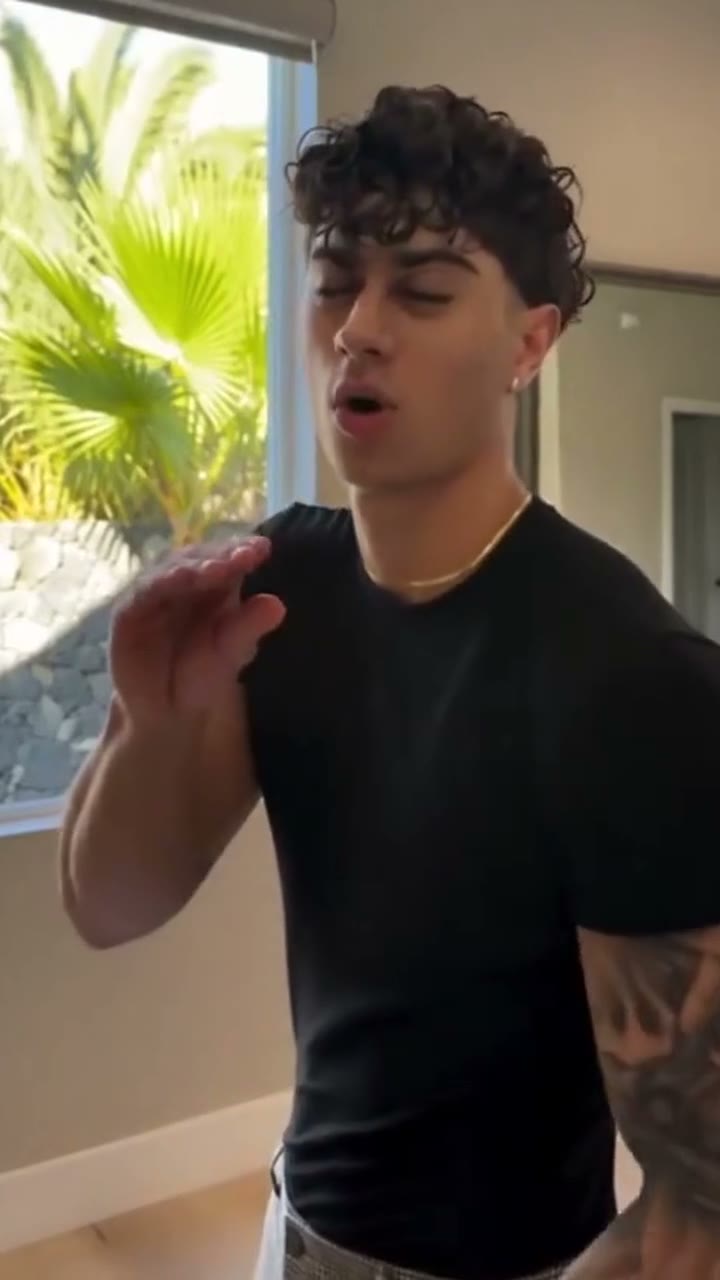
Solo follows the room routine: an upward look, pressed palms and a measured sway lead into a run out of view. The subject's reappearance through the room's framing and return near the camera create a little visual journey. One person carries both the solemn opening and the playful movement.
Duo and Trio focus on successive entrances. Each adult approaches in slow-motion style, passes close to the lens and gives way to the next. The group then returns to a shared front-facing finish with prayer-like or crossed-arm gestures. The personal joke is recognizing each friend receiving an exaggerated hero moment.
Solo creates an 11-second clip. It costs 213 credits and uses the configured reference soundtrack. Duo and Trio are 10 seconds and 126 credits each, with generated audio. All current choices are 720p and vertical 9:16 using Seedance 2.5.
Choose by cast and sound rather than assuming the one-photo option simply adds more faces when you change modes. A room-based reference and a newly generated group-running scene can differ in composition, timing and background details. The images guide identity; they do not lock every cut or gesture.
Why the slow run looks heroic
The movement relies on contrast. A serious face and exaggerated arm swing suggest high stakes, while an ordinary setting makes those stakes absurd. The closer a runner comes to the camera, the more important the face becomes. A sequence of friends turns that single moment into a series of recognitions and comparisons.
Prayer hands and a chest gesture connect the run to the original dance context, but not every slow-motion running post uses the same soundtrack or routine. Some simply borrow the cinematic pace. If you want a specific creator's dance, compare the linked reference; if you want a friend-group entrance, select the cast size that supplies enough photo slots.
A physical tutorial would teach timing, body control and safe staging. Smew instead generates an imagined performance from photos. It avoids asking you to film a run, but it does not guarantee a perfect first result or prove the subject performed the action. Watch for coherent arms, stable faces and a readable order rather than assuming slow motion hides every artifact.
For a group, use genuinely separate clear photos. A crowded upload with three small faces gives weaker role information than three assigned adult images. Make sure everyone is comfortable with the theatrical joke and its public use before sharing.
Sound, dance credit and the finished post
The musical context is Pray for Me by The Weeknd and Kendrick Lamar, commonly used in slowed form around this routine. Solo attaches its configured reference soundtrack after picture generation and saves the final audiovisual file. Duo and Trio instead use generated audio, with an emotional slow-beat direction; they do not promise that original recording.
If you want to add the known social sound to a group take, that is a separate publishing choice. Check the destination platform's licensed options and terms, especially for an advertisement, sponsored post or business account. A template's use of a reference song does not transfer rights to it.
Credit the dance context to @lesgetitrell when discussing the original routine, and keep an AI disclosure for your own generation. A caption can introduce the group as taking a hallway entrance far too seriously, or describe a solo hero moment without pretending it was filmed. Write your own setup instead of copying lyrics or presenting an AI scene as an actual tribute performance by the uploaded subject.
Review the final file as a whole. In Solo, listen for the configured track alongside the visible gestures; in the group modes, listen to the generated audio rather than assuming it matches the reference song. Library preview and download use the saved finished result.